
The Connection Between Alcohol and Anger
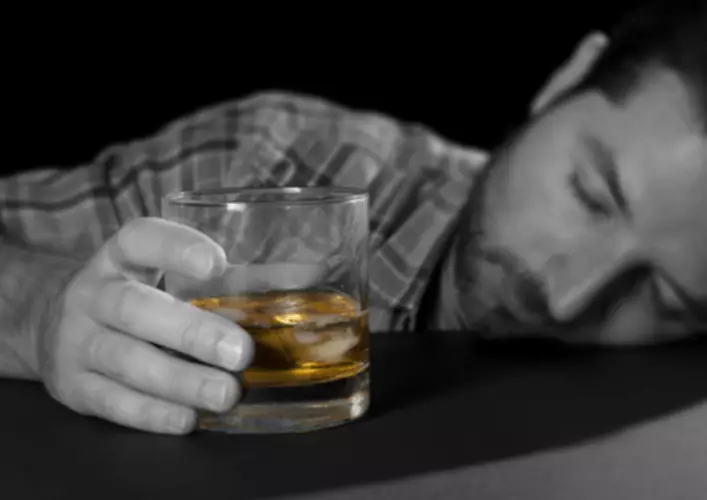
The answer may lie in social expectations that allow formore aggressive behaviors by drunk people. To combat aggressive behavior when drinking, individuals should consciously seek help. Our treatment specialists will evaluate you and determine a treatment plan to help you overcome your addiction. We offer a partial hospitalization program and inpatient treatment to provide the support you need.
Don’t go!
Dealing with insomnia, anger issues, stress, and irritability is a normal part of the withdrawal process. By knowing what to expect and how to deal with it, you can prevent these side effects from derailing your sobriety. They may be dealing with a difficult colleague or frustrated by an unexpected bill. In these cases, the best thing you can do is recognize that there are sometimes things outside of your control.
Why Some Alcoholics Become Angry or Aggressive When They Drink?
Continue reading to learn more about the link between alcohol and anger, including which risk factors exist, how alcohol-related aggression can be dangerous and more. By https://ecosoberhouse.com/ understanding how alcohol abuse influences your mood, you can learn to make positive choices instead of ones you may regret. Anger is an intense emotion you feel when something has gone wrong or someone has severely wronged you.
- I’ve observed this pattern over several decades in helping clients deal with anger.
- Alcohol has a different effect on everyone and while alcohol can make some people social and happy, for others, it can mean aggressive and scary behavior.
- Your plan will include individual and group therapy as well as various other treatments, such as cognitive behavioral therapy and hypnotherapy treatment.
- Alcohol acts as a lubricant that facilities this underlying aggression.
- Furthermore, an angry drunk may not feel like consequences matter, making it seem like a good idea from their perspective to create or partake in a dangerous situation.
Nail Biting Psychology: Understanding and Overcoming the Habit

Similarly, dopamine, often called the Oxford House “reward” neurotransmitter, is affected by alcohol consumption. The surge of dopamine can create a sense of pleasure and excitement, potentially fueling risky or aggressive behavior. When it comes to treating and preventing mean drunk behavior, a multi-faceted approach is often most effective.
Drugs That Cause Anger and Aggression
It’s worth noting that treatment and prevention strategies should be tailored to the individual. This is why professional guidance can be so valuable in addressing mean drunk behavior. More than 40 percent of people said they felt “sexy” after drinking spirits. Differences in emotions varied between countries, with the highest association with feeling energised, relaxed, and sexy why does alcohol make people angry being the South American sample from Colombia and Brazil. A new study has analysed how different types of alcohol cause different emotional responses in both men and women.
- You’ve probably noticed (or observed) that you say and do things when you’re drinking that you wouldn’t normally say or do.
- This disinhibiting aspect of alcohol in effect paves the way for feelings to dominate thoughts and behavior.
- By understanding how alcohol abuse influences your mood, you can learn to make positive choices instead of ones you may regret.
- The term “mean drunk” refers to someone who becomes aggressive, hostile, or belligerent when under the influence of alcohol.
- Understanding these changes can help manage or prevent anger when intoxicated.

On its own, however, alcohol doesn’t just suddenly make us violent or mean. Alcohol acts as a lubricant that facilities this underlying aggression. The new study was an effort to learn more about this “lubricant,” where it’s located in the brain, and how it works. Research has shown that the effects of alcohol can worsen or be heightened due to neuroinflammation resulting in worsening gut or microbiome states and changes within nutrition. Additionally, if you mix alcohol with other substances or caffeine, the instances of hostility and aggression will increase. The stress-reducing effects of alcohol often make people believe there are no real consequences for their actions, which leads to confrontations, fights, or displays of aggression.
The moment you think your anger is getting out of control or you’re turning to alcohol or drugs as a coping mechanism, you should consider seeking professional help. If a problem is ongoing or does not seem to have an adequate solution, you should be prepared to make some changes in your life. When the two are present together, a person is highly likely to become involved in something they wouldn’t otherwise do and might regret later. A person is less likely to hold themselves back (in emotions or behaviour) under the influence. If normally you might suppress your emotions in a situation, alcohol can make you more dramatic. As already pointed out, alcohol causes us to fixate on immediate cues in the environment, so if those cues promote peaceful, happy, or non-aggressive behavior, we aren’t likely to be aggressive.

